
Table of Contents
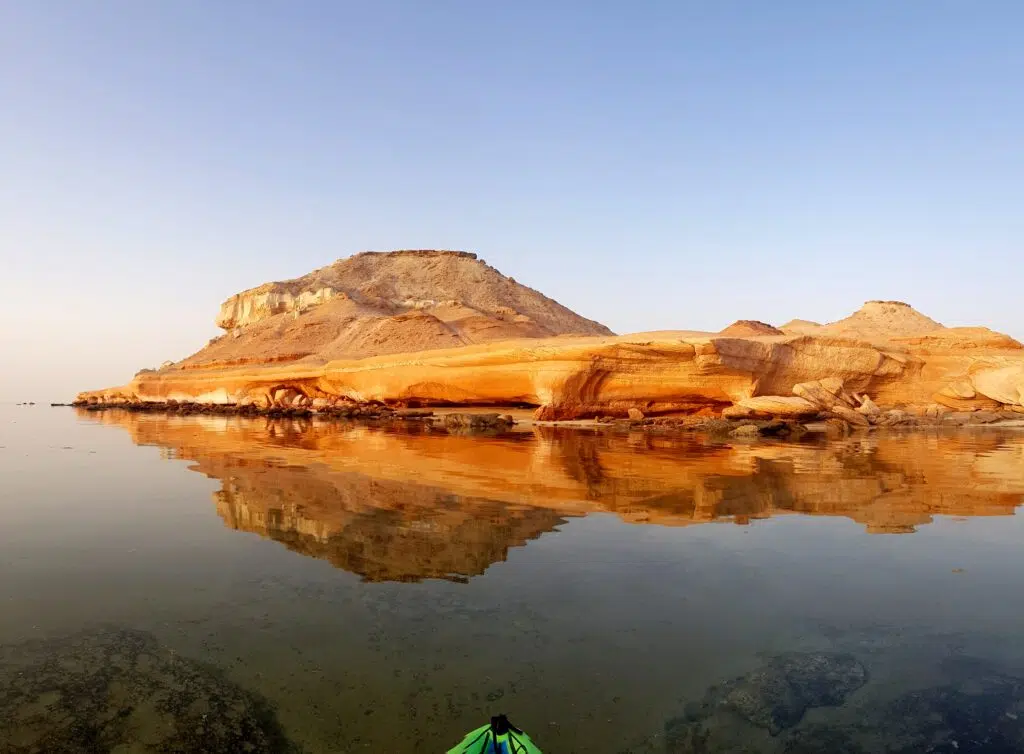
Shuweihat Island is one of the most genuinely untouched coastal destinations in the UAE. Located in the far western region of Abu Dhabi, near the border with Saudi Arabia, it offers something increasingly hard to find in the Emirates a long stretch of coastline with no crowds, no development, and no admission fee.
The island is connected to the mainland by road, which makes it accessible by car without needing a boat or ferry. What draws people here is a combination of dramatic orange sandstone cliffs, wide sandy beaches, calm turquoise water, and the kind of silence that is simply not available anywhere closer to Dubai or Abu Dhabi city.
This guide covers everything you need to plan your visit correctly location, road conditions, what to do, when to go, what to bring, and the safety information that will make the difference between a smooth trip and a difficult one.
Shuweihat Island Quick Overview
Location: Western Abu Dhabi, near Al Ruwais, approximately 200 km west of Abu Dhabi city
Access: By car via paved road no ferry or boat required
Entrance fee: Free
Best time to visit: October to April
Facilities on the island: None no shops, toilets, restaurants, or petrol stations
Camping: Permitted wild camping is popular and recommended
Suitable for: Photography, beach walks, nature lovers, campers, families
Where Is Shuweihat Island Located and What Makes It Special?
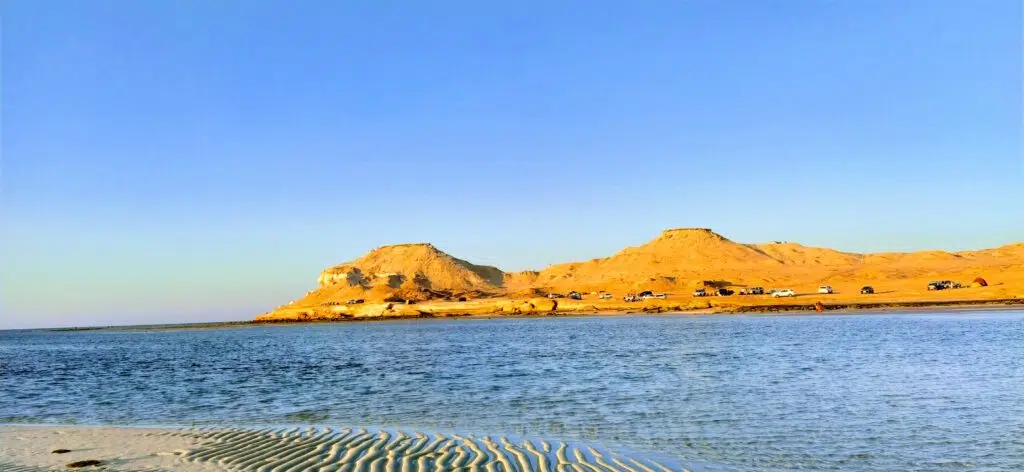
Shuweihat Island is situated approximately 200 km west of Abu Dhabi city, just off the coast near the Al Dhafra region and the town of Al Ruwais. Unlike most UAE island destinations, it is connected to the mainland by a paved road, which means you drive to it rather than taking a boat a rare convenience for a destination this remote.
The island sits close to the border with Saudi Arabia, putting it well outside the main tourist corridor of Dubai and Abu Dhabi. That distance is exactly what makes it worth the trip.
What makes Shuweihat genuinely special is the contrast it offers. Orange sandstone cliffs drop to soft white sand. The water shifts from deep blue in the open Gulf water to a pale turquoise in the shallows. There is no commercial development anywhere on the island no beach clubs, no food stalls, no sun lounger rental. If you are looking for a scenic, low key alternative to busier coastal spots and prefer natural beauty over facilities, Shuweihat is hard to match anywhere in the UAE.
For more on Abu Dhabi’s off the beaten path destinations, read our guide on Saadiyat Island as a contrast a more developed but equally beautiful Abu Dhabi island experience.
The Deceiving Salt Flats Near Shuweihat Island
As you approach Shuweihat, the road passes through vast salt flats locally known as Sabkha that stretch across the landscape in every direction. From a distance, they look like a flat white expanse, almost like snow. They are striking to photograph and easy to underestimate.
Do not drive onto them. Beneath the hard looking white surface, the ground is soft, muddy, and capable of swallowing a vehicle up to its axles within seconds. Every year, cars get stuck on the UAE salt flats because drivers assume the surface is solid. It is not.
Safety rule: Stay on the designated paved road at all times when crossing the salt flats. If you want to stop for photographs, park on a solid verge and walk do not drive off road here, even in a 4×4, unless you have experience with salt flat terrain and recovery equipment.
Practical tip: This section of the journey has no services whatsoever. Fill up your petrol tank before leaving Al Ruwais, and carry more water than you think you need. There are no shops, no petrol stations, and no mobile coverage in parts of this stretch.
For more guidance on safe desert and off road exploration in the UAE, read our Desert Safari Safety Guide.
Is the Long Drive to Shuweihat Island Worth It?
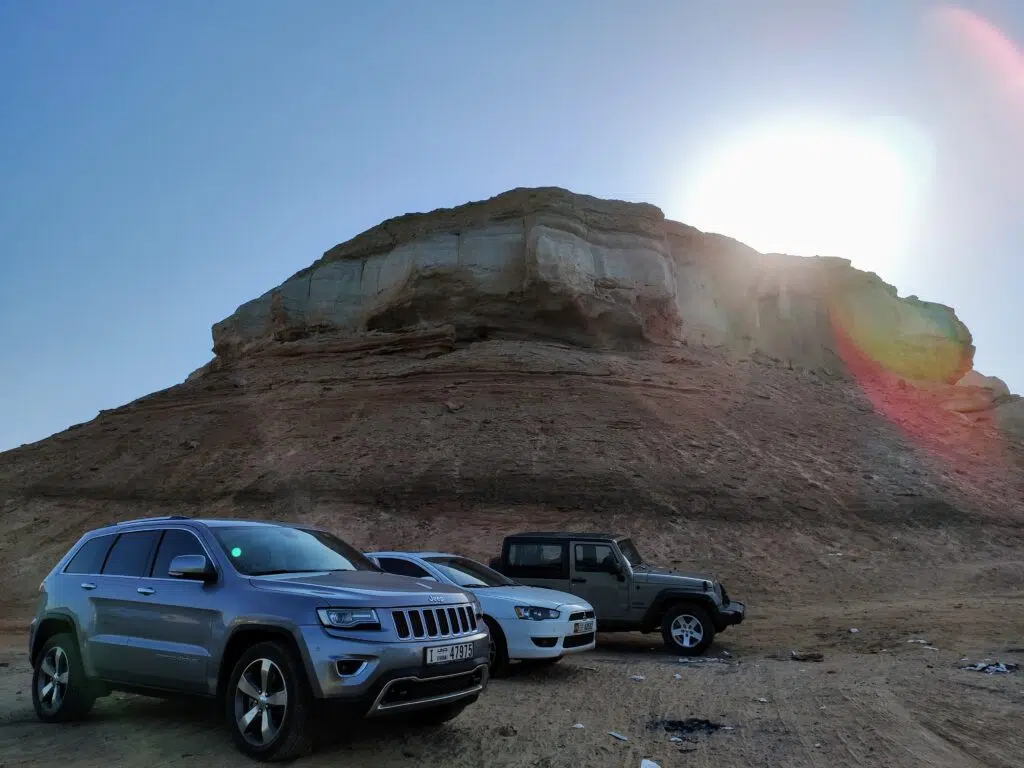
From Abu Dhabi city, it is around 2.5 hours. The route follows the E11 highway toward Al Ruwais a well maintained, high speed road with a 160 km/h speed limit on sections of the highway, which makes the distance more manageable than it sounds.
The honest answer is yes, for the right type of traveler. If you are expecting beach club facilities, entertainment, or a quick visit, the journey will feel disproportionate to what you find. But if you go specifically for the landscape for the cliffs, the silence, the uninterrupted Gulf horizon, and the satisfaction of reaching somewhere that most UAE visitors never see then the drive is part of what makes it memorable.
Plan it as a full day trip at a minimum. Camping overnight and watching the sunrise over the Arabian Gulf is, by most accounts, the single best reason to make the journey.
What to know about road conditions:
- The main road to the island is paved and manageable in a standard sedan
- A 4×4 is recommended if you intend to explore off the main track or camp further from the road
- Be aware of military zones along the route stay on public roads and observe all signage
- There are no petrol stations on the island itself fill up in Al Ruwais before the final approach
Looking for more scenic UAE day trips? Read our guide on 7 Unique Experiences at Dubai Desert Safari.
How Can You Reach Shuweihat Island?
The only practical way to reach Shuweihat Island is by private vehicle or organised tour. There is no public transport to the island, no ferry service, and no ride share coverage in this part of Abu Dhabi.
Route from Dubai: Take the E11 (Sheikh Zayed Road / Abu Dhabi Dubai highway) heading west. Continue past Abu Dhabi city toward Al Ruwais. Follow signs for Shuweihat the island is connected to the mainland by road and is accessible without a boat.
Google Maps coordinates: 24.1114° N, 52.4395° E search Shuweihat Island in Google Maps for the most current routing.
By organised tour
Several Abu Dhabi and Dubai based tour operators offer day trips and overnight experiences to Shuweihat Island. These packages typically include return transport, a guide, and stops at key points along the route including the salt flats and coastal viewpoints. For first time visitors or those unfamiliar with remote desert driving, a guided trip is the most straight forward option.
For tips on planning long distance UAE adventures, read our guide on How to Plan the Perfect Desert Safari in Dubai much of the preparation advice applies here too.
When Is the Best Time to Visit Shuweihat Island?
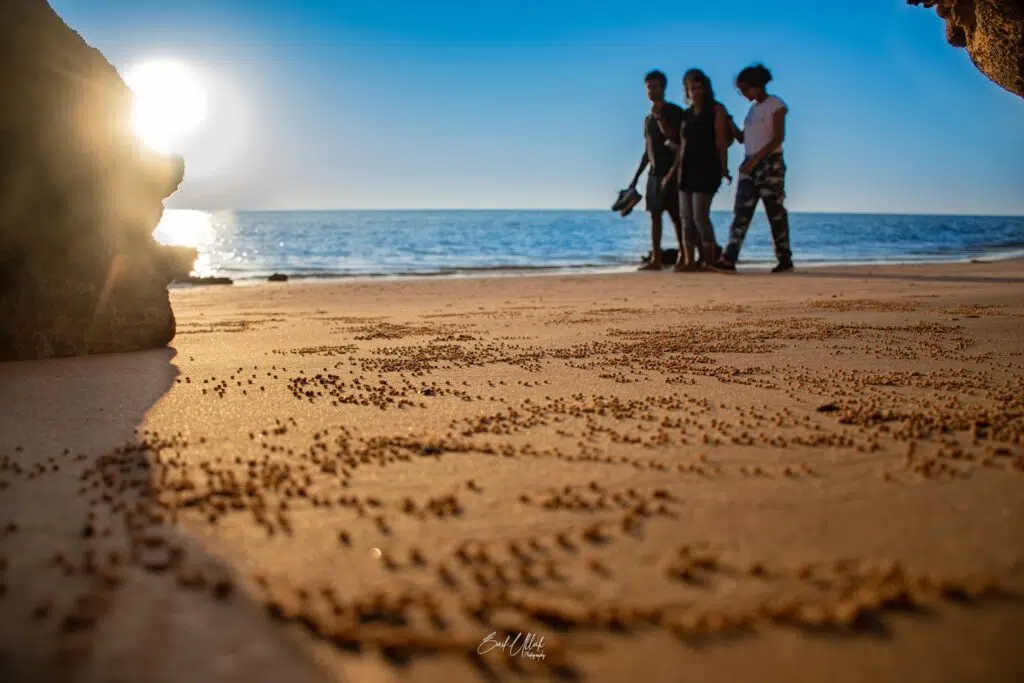
Best months: October to April
During these months, daytime temperatures range from 18°C to 28°C comfortable for long walks, photography, and camping. The air is clear, the light is excellent in the mornings and evenings, and the sea is calm enough for wading and swimming in sheltered areas.
Avoid: May to September
Summer temperatures in the Al Ruwais area regularly exceed 45°C. The island has no shade structures, no cooling facilities, and no water sources. Visiting in summer months is genuinely dangerous, not just uncomfortable. Save this trip for the cooler half of the year.
Seasonal breakdown:
- October to March (peak season): Cool, clear days and cold nights ideal for camping. Bring warm layers for after sunset, as temperatures can drop significantly. This is the most popular period and the easiest time to enjoy the island fully.
- April: Still comfortable for day trips. Temperatures begin rising toward the end of the month. Some years bring brief desert wildflowers in the surrounding areas.
- Sunset visits (year round): The western facing coastline makes Shuweihat one of the best sunset spots in Abu Dhabi at any time of year. Arrive two hours before sunset to find your spot and set up before the light changes.
For more on the best time to enjoy UAE outdoor destinations, read our article on Is Desert Safari in Dubai Worth It?
Things To Do at Shuweihat Island, Abu Dhabi
Shuweihat Island is a natural destination its appeal is the landscape itself rather than organised activities. Here is what visitors actually do there.
Beach walks: The shoreline is long, flat, and easy to walk. Early morning and late afternoon are the most comfortable times the light is better for photography and the temperature is lower. Most visitors walk for an hour or more along the water’s edge without seeing another person.
Sunset and sunrise photography: The island’s open western exposure and minimal light pollution make it exceptional for photography. Sunrise colours the cliffs orange and pink. Sunset turns the Gulf water gold and silhouettes the coastline against a clear sky. Bring a tripod the low light conditions reward it.
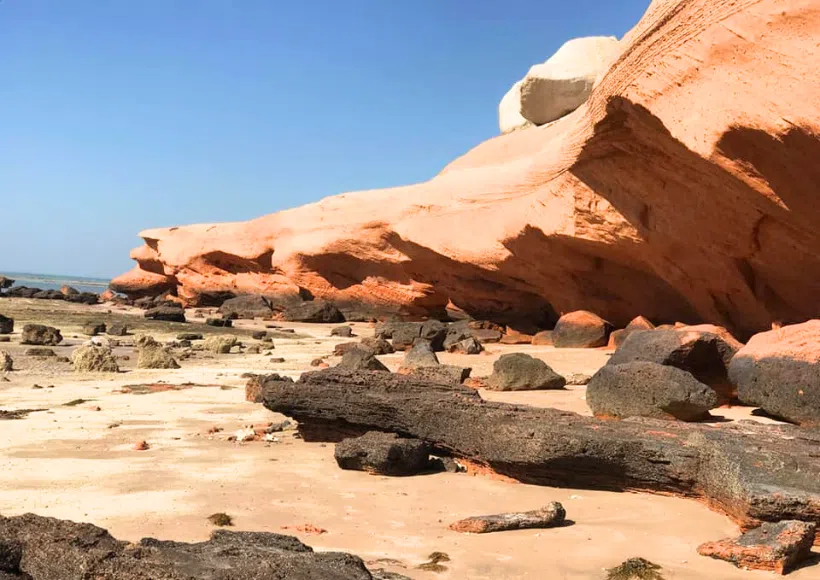
Exploring the sandstone cliffs: the orange sandstone formations along the island’s edges are visually striking and unlike anything in the Dubai or Abu Dhabi city area. They are accessible on foot and make for a dramatic backdrop at any time of day.
Swimming and wading: In calm conditions, the sheltered areas of the coastline are suitable for swimming. The water is clear and shallow close to shore. Do not swim if there are strong currents or if the sea looks rough there are no lifeguards and no rescue services nearby.
Picnicking: Most visitors bring everything they need for a self planned picnic. There are no food outlets on the island. Find a spot on the beach, spread out, and take your time this is exactly the kind of setting that is worth the drive.
Wild camping: Overnight camping is permitted and, for many visitors, the main reason to make the journey. Sleeping on the beach with no city lights in any direction and waking up to a Gulf sunrise is a rare experience anywhere in the UAE. See the camping section below for what to bring.
Hiking and nature walks: Rugged trails along the elevated cliff sections offer panoramic views of the coastline and the surrounding desert. No technical hiking experience is needed the terrain is open and manageable on foot with basic walking shoes.
For another underrated UAE outdoor destination, read our guide on Al Marmoom Desert Conservation Reserve.
Hiking & Nature Walks
Explore rugged trails and elevated viewpoints offering panoramic vistas of the coastline and surrounding desert.
Ready to explore more unique destinations? Check out Al Marmoom Desert Conservation Reserve, another underrated gem in the UAE.
Tours and Day Trips to Shuweihat Island
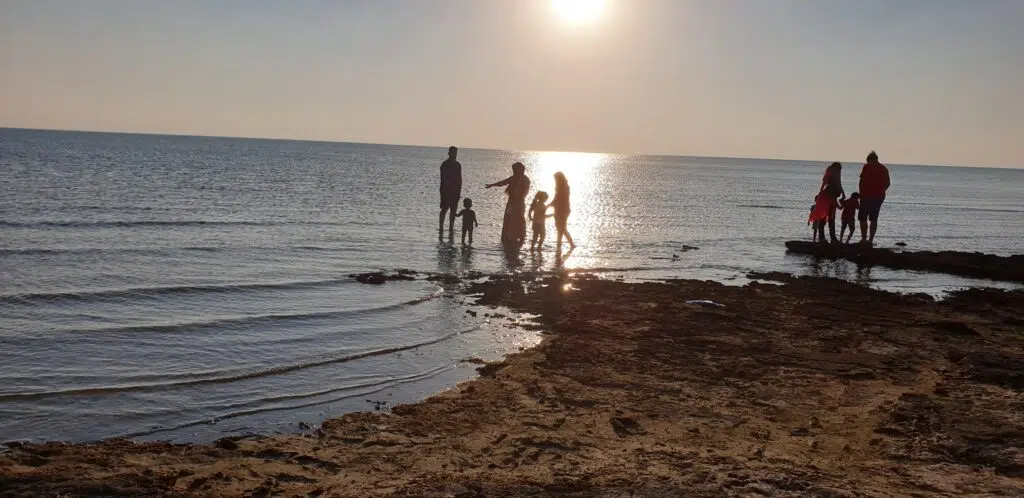
Shuweihat Island is still relatively unknown among international tourists, but a growing number of eco-tourism operators and adventure travel companies now run organised trips from Abu Dhabi and Dubai.
What organised tours typically include:
- Return transport from Abu Dhabi or Dubai
- Guide with knowledge of the island’s geography, wildlife, and history
- Stops at the salt flats and scenic viewpoints en route
- Photography guidance at key locations
- Picnic setup or campfire experience for overnight trips
- Safety equipment and recovery gear for off road sections
Organised tours are particularly worth considering for first time visitors, families with young children, and anyone unfamiliar with remote desert driving. The route passes through areas with limited mobile coverage, and having an experienced guide removes the logistical uncertainty of the trip.
For couples looking for an alternative outdoor experience, a day trip to Shuweihat Island is a genuine alternative to a desert safari for couples quieter, more remote, and very different in feel.
Camping and Accommodation Near Shuweihat Island
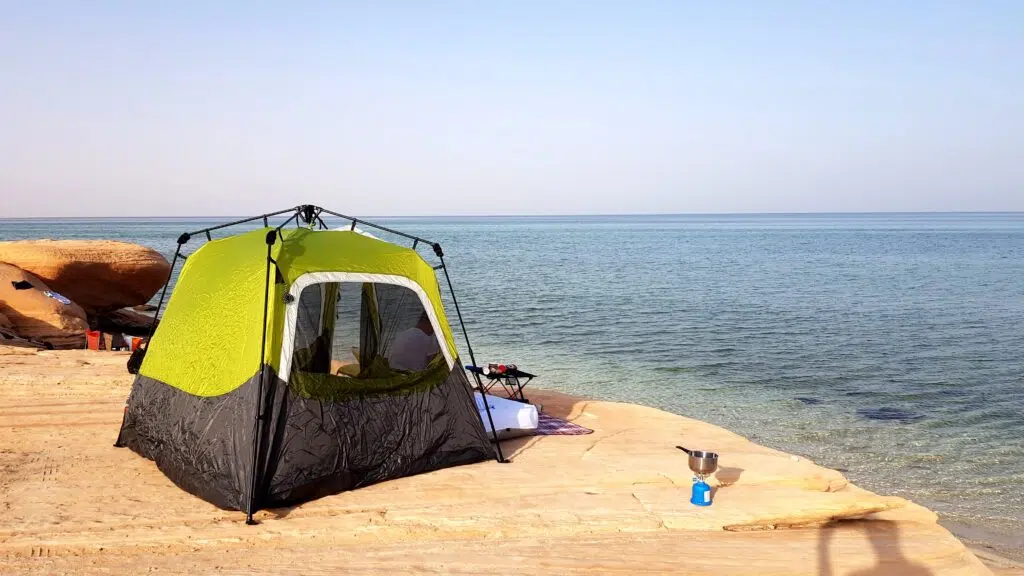
There are no hotels, resorts, or guesthouses on Shuweihat Island. The nearest accommodation options are in Al Ruwais town, approximately 20 to 30 minutes by car from the island.
Wild camping on the island
Wild camping is permitted on Shuweihat Island and strongly recommended for anyone making the long drive. Spending the night on the beach falling asleep to the sound of the Gulf and waking up before anyone else arrives is the experience most visitors describe as the highlight of the trip.
What to bring for overnight camping:
- Tent and sleeping bags (nights can be genuinely cold between November and February do not underestimate this)
- Cooking equipment and all food supplies
- Sufficient water for the entire stay minimum 2 litres per person per day, more in warmer months
- Portable lighting there is no electricity anywhere on the island
- Warm layers for after dark, even in October and April
- A basic first aid kit
- Waste bags carry everything out and leave no trace
If you prefer comfort after a long drive, our Overnight Desert Safari packages offer a very different but equally memorable experience a traditional Bedouin camp with dinner, entertainment, and a bed in the desert, within an hour of Dubai.
Safety Tips (Important Section)
Safety Tips for Visiting Shuweihat Island
Read this section before you go. The island is safe, but it is genuinely remote and remote locations require preparation that city based travel does not.
- No facilities: There are no toilets, shops, medical services, or lifeguards anywhere on or near the island. Plan for complete self sufficiency.
- Salt flats: Do not drive onto the salt flats under any circumstances unless in a properly equipped 4×4 with a recovery kit and experience. They look solid. They are not.
- Swimming: Swim only when the sea is calm and in sheltered areas. Avoid strong currents. There is no rescue service nearby.
- Children: Supervise children at all times near the water and on the cliff edges.
- Heat: Even in cooler months, the midday sun is strong. Apply sunscreen, wear a hat, and take breaks in whatever shade you can find. In warmer months, avoid being outdoors between 11 am and 4 pm.
- Vehicle: A sedan can manage the main road. For anything off the paved surface, use a 4×4. Do not drive onto soft sand or mud without recovery equipment.
- Mobile coverage: Coverage is limited in parts of the route and on the island itself. Download offline maps before you leave and share your itinerary with someone not on the trip.
- Military zones: The western Abu Dhabi region has restricted military areas. Stay on public roads, observe all signage, and do not enter areas marked as restricted.
- Fuel: Fill up in Al Ruwais before the final approach to the island. There is no petrol station on the island or on the road leading to it.
Practical Tips for Visiting Shuweihat Island
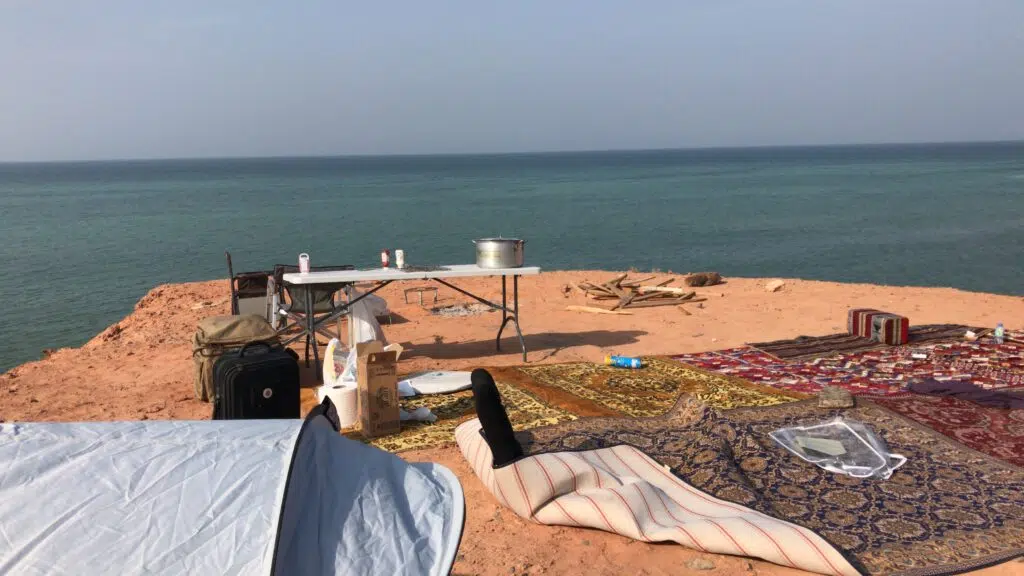
✅ Plan Ahead: No ATMs, restaurants, or petrol stations on the island.
✅ Pack Essentials: Water, food, a first aid kit, sunscreen, and navigation tools.
✅ Check Permits: Some routes may require prior permission if passing through protected or military zones.
✅ Respect Nature: Leave no trace behind and avoid disturbing wildlife.
Before heading out, read our guide on Desert Safari Dubai Tickets Experience the Thrill of the Desert for helpful tips on planning your trip to the desert.
Practical Tips for Visiting Shuweihat Island
Plan the full day: The drive alone is 3.5 to 4 hours from Dubai each way. Leave early ideally before 7am from Dubai to arrive with time to explore before the midday heat builds.
Pack everything you need: No ATMs, no restaurants, no petrol stations on the island. Water, food, sunscreen, navigation, a first aid kit, and more fuel than you think you need.
Check permits if passing through protected zones: Some routes in the western Abu Dhabi region pass through areas that may require prior permission. Check with your tour operator or Abu Dhabi authorities before the trip if you are unsure about your planned route.
Leave no trace: The island’s pristine condition is the reason people make the drive. Carry out everything you bring in. Do not light fires except in designated or clearly safe areas. Do not disturb wildlife or vegetation.
Bring a physical map or download offline maps: Mobile coverage is unreliable. Google Maps works well for the main route but may not load on the island itself.
Go on a weekday if possible: Weekends (Friday and Saturday) attract more visitors. A weekday visit gives you the island largely to yourself.
For further planning tips on UAE outdoor adventures, read our guide on Desert Safari Dubai Tickets Experience the Thrill of the Desert.
FAQs
Can I Camp on Shuweihat Island?
Yes. Wild camping is permitted and is one of the main reasons people make the trip. There are no facilities on the island, so you need to be fully self sufficient. Bring a tent, sleeping bags, all food and water, and carry everything out when you leave.
Is there an entrance fee?
No. Shuweihat Island is free to visit. There is no ticket, no gate, and no registration required for a standard day visit.
What should I pack?
Sunscreen, a hat, and sunglasses for sun protection. Comfortable walking shoes. Sufficient water at least 2 litres per person for a day trip, more for an overnight stay. All food and snacks, as nothing is available on the island. A camera. Camping gear if staying overnight. A warm layer for evenings and nights between October and March.
Are there dining options on Shuweihat Island?
No. There are no restaurants, cafes, or food outlets anywhere on the island. Bring everything you plan to eat and drink, and carry out all waste.
Is It Illegal to Visit Shuweihat Island?
No. The island is accessible to the public. Some areas nearby are restricted due to military presence or private ownership stay on public roads, observe all signage, and do not enter any marked restricted zones.
Is Shuweihat Island Safe for Families?
Yes, provided you take the standard precautions. Children should be supervised near the water and on elevated areas at all times. Bring more water and food than you think children will need. The calm water and open beach environment are well suited to a relaxed family day out, particularly outside of the summer months.
What is the best time to visit Shuweihat Island?
October to April. Early morning or late afternoon visits are best for comfort and photography. Avoid June, July, and August entirely.
Final Thoughts: Why Shuweihat Island Deserves a Spot on Your UAE Bucket List
Shuweihat Island is not for everyone and that is precisely what makes it worth the trip for the right person. It offers no entertainment, no facilities, and no convenience. What it does offer is one of the most genuinely unspoiled stretches of coastline in the UAE, with the kind of space and silence that is simply unavailable anywhere closer to the city.
If you go in expecting that a long drive to a quiet, beautiful, self sufficient outdoor experience Shuweihat Island will deliver in full. The cliffs are dramatic. The water is clear. The sunsets are among the best in Abu Dhabi. And the satisfaction of reaching somewhere that most visitors to the UAE never find is hard to put a value on.
Pack your car properly, leave early, and go.
Ready to Explore Shuweihat Island?
If Shuweihat Island has given you a taste for Abu Dhabi’s western region, combine your visit with other experiences on the way back.
For a thrilling addition to your trip, our Dune Buggy Dubai and Quad Biking in Dubai packages are easy to add to any UAE itinerary. Or, if you want to round out the trip with a proper desert night, our Overnight Desert Safari gives you a full evening of dune bashing, camel riding, BBQ dinner, and stargazing within an hour of Dubai.
For Abu Dhabi specific attractions, browse our full range at Abu dhabi tickets including Ferrari World, Yas Waterworld, Warner Bros World, Louvre Museum Abu Dhabi, and the Fossil Dunes, Camel Race, and Salt Lake Tour.
Contact us at info@desertleapsafari.com or call +971 56 863 0329 for personalised recommendations and help planning your trip.
Let Desert Leap Safari be your trusted companion for discovering the UAE from hidden islands to thrilling desert safaris.
Related Reading
- Is Desert Safari in Dubai Worth It?
- How to Plan the Perfect Desert Safari in Dubai
- Cost of Desert Safari Dubai
- Are Kids Allowed in Dubai Safari?
Let Desert Leap Safari be your trusted companion for discovering the magic of the UAE from hidden islands to thrilling desert safaris.
As you approach Shuweihat, the road passes through vast salt flats locally known as Sabkha that stretch across the landscape in every direction. From a distance, they look like a flat white expanse, almost like snow. They are striking to photograph and easy to underestimate.
Do not drive onto them. Beneath the hard looking white surface, the ground is soft, muddy, and capable of swallowing a vehicle up to its axles within seconds. Every year, cars get stuck on the UAE salt flats because drivers assume the surface is solid. It is not.
Safety rule: Stay on the designated paved road at all times when crossing the salt flats. If you want to stop for photographs, park on a solid verge and walk do not drive off road here, even in a 4×4, unless you have experience with salt flat terrain and recovery equipment.
Practical tip: This section of the journey has no services whatsoever. Fill up your petrol tank before leaving Al Ruwais, and carry more water than you think you need. There are no shops, no petrol stations, and no mobile coverage in parts of this stretch.
For more guidance on safe desert and off road exploration in the UAE, read our Desert Safari Safety Guide.