
Best
Desert Safari
Dubai Packages 2026
- Hotel Pickup & Drop-off
- Best Price Guarantee
- 24/7 Customer Support
- Thousands of Happy Guests
Compare the best Desert Safari Dubai Packages from AED 125. Choose from morning, evening, VIP, overnight and private desert tours with exciting activities, BBQ dinner and hotel pickup included.
Licensed & Trusted Operator
Instant Confirmation
Free Cancellation
No Hidden Charges
PACKAGES OVERVIEW
Compare Desert Safari Dubai Packages
A desert safari is the one experience every visitor to the UAE should tick off, and choosing the right package makes all the difference. Whether you want an early-morning dune adventure, a sunset BBQ under the stars, or a private getaway with your family, our Desert Safari Dubai Packages are designed to fit every budget and travel style. Here's a quick side-by-side comparison to help you decide.
| Package | Duration | Price (From) | Best For | Highlights |
|---|---|---|---|---|
| Morning Desert Safari | 4 Hours | AED 150 |
Adventure Lovers
|
Dune bashing, camel ride, sandboarding
|
| Evening Desert Safari | 6 Hours | AED 125 |
Most Popular
|
Dune bashing, BBQ dinner, live shows, camel ride
|
| VIP Desert Safari | 6 Hours | AED 250 |
Luxury Travelers
|
Premium camp, table-service dinner, exclusive seating
|
| Overnight Desert Safari | 18 Hours | AED 350 |
Unique Experience
|
Overnight stay, BBQ dinner, breakfast, stargazing
|
| Private Desert Safari | Flexible | AED 750 |
Families & Couples
|
Private 4×4, exclusive camp, personalized service
|
MOST POPULAR
Most Popular Desert Safari Dubai Packages
Every traveler is different, so we’ve built five distinct Desert Safari Dubai Packages — each with its own pace, atmosphere, and set of activities. Here’s what you can expect from each one.

Evening Desert Safari Dubai Package
Our most-booked package and the classic Dubai desert experience. Ride out into the golden dunes for an adrenaline-fuelled session of dune bashing, then settle into a traditional Bedouin-style camp for a delicious BBQ dinner and live entertainment.
- Dune bashing
- Camel ride
- BBQ dinner
- Live entertainment shows
- Henna painting
From AED 125

Morning Desert Safari Dubai Package
Our most-booked package and the classic Dubai desert experience. Ride out into the golden dunes for an adrenaline-fuelled session of dune bashing, then settle into a traditional Bedouin-style camp for a delicious BBQ dinner and live entertainment.
- Early morning pickup
- Dune bashing
- Sandboarding
- Camel ride
- Quad bike (optional)
From AED 150
VIP Desert Safari Dubai Package
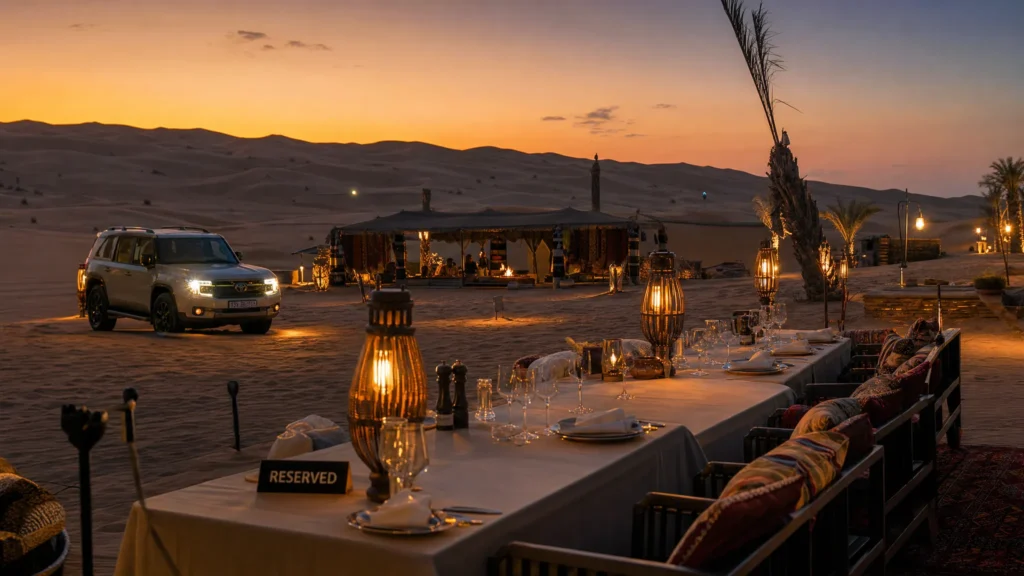
A premium upgrade for travelers who want comfort and exclusivity. Enjoy a private VIP camp with reserved seating, a table-service dinner, and a refined buffet — all the magic of the desert with an elevated touch.
- VIP camp with seating
- Table service dinner
- Premium buffet
- Live shows
- Exclusive experience
From AED 250
Overnight Desert Safari Package
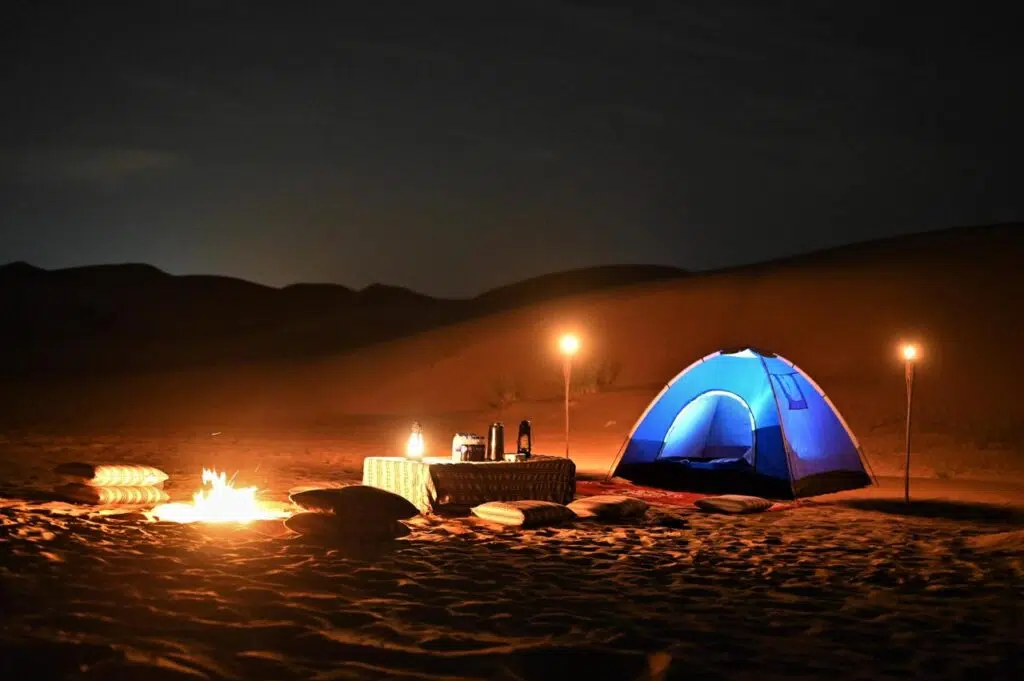
For those who want more than a few hours in the desert. Camp under a sky full of stars, enjoy a BBQ dinner and live entertainment, then wake to a peaceful desert sunrise and fresh breakfast.
- Dune bashing
- BBQ dinner
- Live entertainment
- Overnight stay in desert
- Breakfast next morning
From AED 350

Private Desert Safari Package
- Private 4×4 vehicle
- Flexible itinerary
- Exclusive camp
- Personalized service
- Ideal for families & groups
From AED 750
Budget Desert Safari Dubai Package
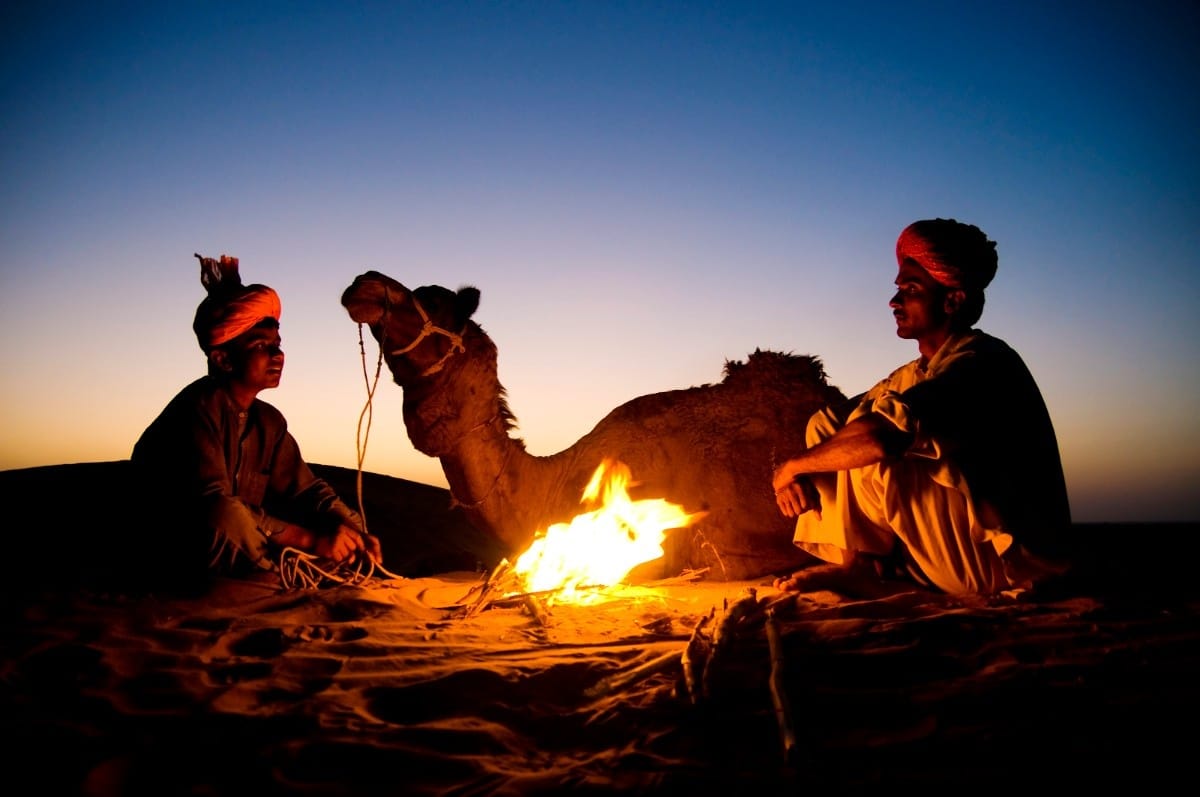
The most affordable way to experience the real Dubai desert. Perfect for budget travellers and backpackers who want the full desert atmosphere — dune bashing, camel ride, and a traditional BBQ dinner — without compromising on quality or safety.
- Dune bashing
- Camel ride
- BBQ dinner (veg & non-veg)
- Live entertainment
- Sandboarding
- Pickup included
From AED 65
Desert Safari Dubai Package Prices
We believe in transparent, no-hidden-charges pricing. Here’s a clear breakdown of adult and child rates across all our Desert Safari Dubai Packages.
| Package | Adult Price | Child Price (3–10 Yrs) |
|---|---|---|
| Morning Desert Safari | AED 150 | AED 60 |
| Evening Desert Safari | AED 125 | AED 90 |
| VIP Desert Safari | AED 250 | AED 180 |
| Overnight Desert Safari | AED 350 | AED 220 |
| Private Desert Safari | AED 750 (Per Vehicle) | — |
We believe in transparent, no-hidden-charges pricing. Here’s a clear breakdown of adult and child rates across all our Desert Safari Dubai Packages.
What's Included in Our Packages?
Transportation
Hotel pickup & drop-off in 4x4 vehicles
Dune Bashing
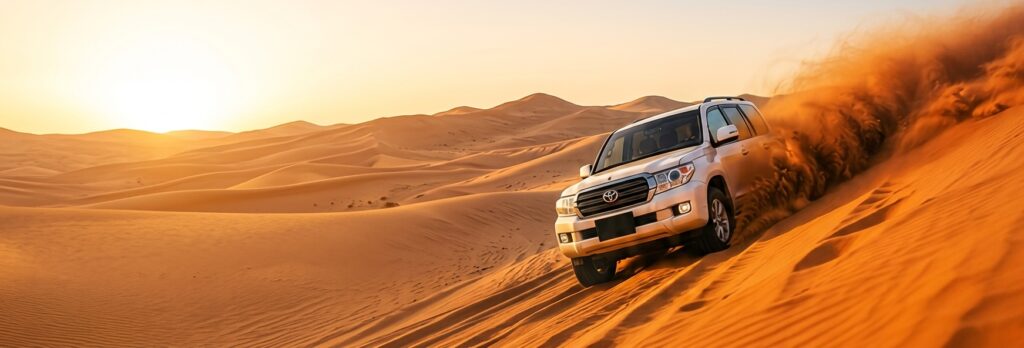
A thrilling ride over the red dunes with experienced drivers.
Camel Riding
Experience traditional camel rides across the sand.
Sandboarding
Slide down steep soft sand dunes.
BBQ Dinner
Delicious BBQ with veg & non-veg options.
Live Entertainment
Tanoura, belly dance, fire show & more
Photography Opportunities
Capture stunning moments in the desert
CHOOSE YOUR EXPERIENCE
Which Desert Safari Package Is Best For You?
Not sure which option to pick? Here’s a quick guide to matching the right Desert Safari Dubai Package to your travel style.
Families
Choose the Evening or Private Safari for kid-friendly activities and comfortable camps.
Couples
Go for a Private or VIP Safari for a romantic, exclusive experience.
Adventure Seekers
Pick the Morning Safari, or add Quad Biking / Dune Buggy for extra thrills.
Budget Travelers
The Morning Safari offers the best experience at the most affordable price.
Luxury Travelers
The VIP Safari delivers premium camp, dining, and top-notch service.
Explore More Desert Safari Experiences
Looking for something specific? Browse our full range of desert experiences:
- Desert Safari Dubai
- Evening Desert Safari Duba
- VIP Desert Safari Dubai
- Overnight Desert Safari Dubai
- Private Desert Safari Dubai
- Dune Buggy Dubai
- Quad Bike Dubai
Dubai Tours & Experiences You'll Enjoy
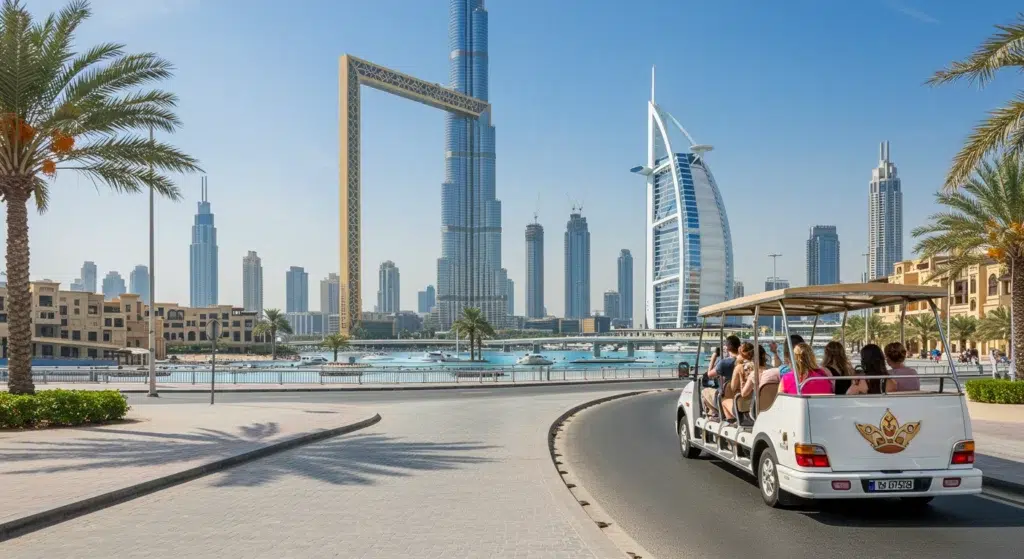
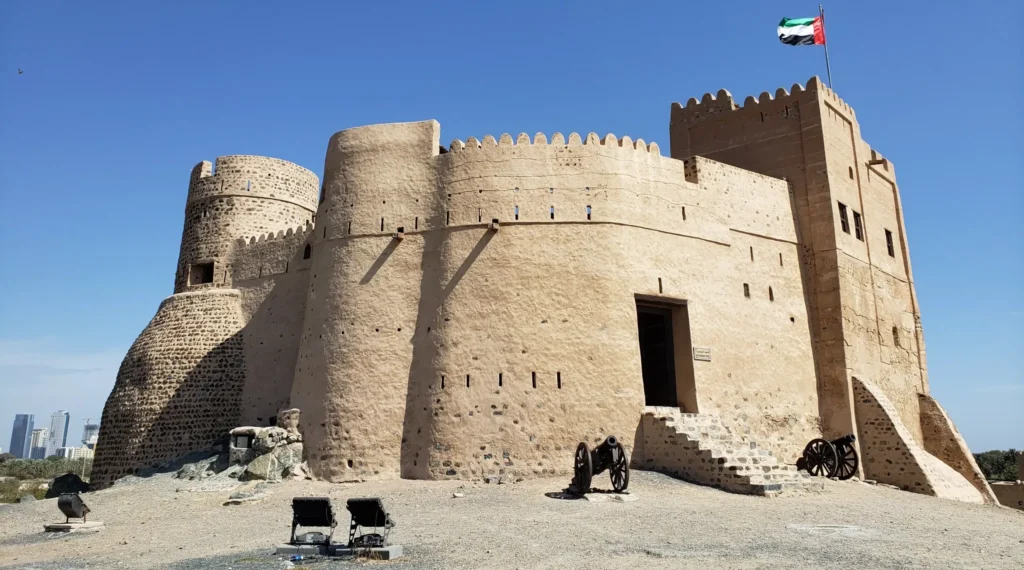
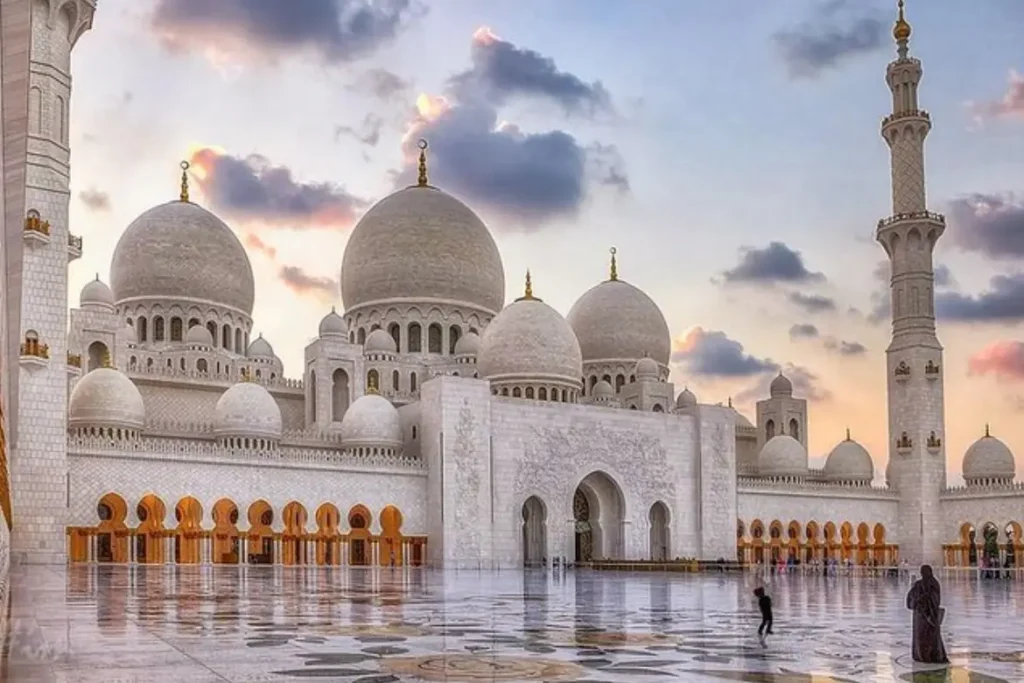
Carefully selected tours across Dubai and the UAE — city tours, Abu Dhabi attractions, and special travel experiences. All managed by a licensed local tour operator.

Why Book With Desert Leap Safari?
Licensed & Experienced Tour Operator
Fully approved and trusted across the UAE.
Best Price Guarantee
No hidden charges, ever.
Hotel Pickup Included
Free transfers from Dubai, Sharjah, and Ajman.
Experienced & Professional Safari Drivers
Safety-trained, skilled, and friendly.
Thousands of Happy Guests
A proven track record of unforgettable trips.
24/7 Customer Support
We're here whenever you need us.
Frequently Asked Questions
Everything you need to know before booking your desert safari
Our Desert Safari Dubai Packages start from AED 120 for the Morning Safari and go up to AED 600 for a Private Safari. Pricing depends on the package type, group size, season, and any add-ons you choose. Every price includes free hotel pickup and drop-off.
Yes. All our packages include complimentary hotel pickup and drop-off from Dubai, Sharjah, and Ajman in air-conditioned 4x4 vehicles.
Dune bashing is included in the Morning, Evening, Overnight, and Private safaris. The VIP package can also include it on request — just let us know when booking.
The Evening Desert Safari and Private Desert Safari are the most family-friendly options, offering comfortable camps, kid-friendly activities, and discounted child pricing for ages 3–10.
Yes. Quad biking and dune buggy rides are available as add-ons to most packages, including the Morning and Evening safaris. Pricing varies by duration and vehicle.
Wear light, comfortable clothing and closed shoes for activities. In the evenings the desert can get cooler, so a light jacket is recommended, especially for the overnight safari.
Absolutely. Children are welcome on all our safaris, with special discounted rates for ages 3–10. Dune bashing is generally suitable for older children, and our team can tailor the activity intensity for younger guests.
The VIP Desert Safari includes a private camp with reserved seating, a table-service dinner, a premium buffet, live shows, and a more exclusive, less-crowded experience than the standard evening safari.
Booking is simple — choose your package, select your date and group size, and confirm online or via our 24/7 customer support team. You'll receive instant confirmation, and most packages offer free cancellation.
Book your Desert Safari Dubai Package now and create memories that last a lifetime. Book Now.
Ready for an Unforgettable Desert Experience?
Book your Desert Safari Dubai Package now and create memories that last a lifetime.