


Best Time for Desert Safari (2026) – Morning, Evening & Overnight Guide

Planning a desert trip in Dubai sounds simple until you realize timing can completely shape your experience. The best time for a desert safari is not just about picking a date; it is about choosing the right season and the right time of day so you can actually enjoy the desert, not endure it.
In 2026, Dubai’s desert follows a consistent seasonal pattern, with cooler, more comfortable conditions from October to April and significantly hotter months from May to September, a trend supported by regional climate data from the UAE’s official meteorological sources.
But beyond the season, your choice between a morning, evening, or overnight safari will define what your trip really feels like, whether it is adventure-focused, scenic, or fully immersive.
This guide will clearly tell you so you can choose the right time with confidence, avoid common mistakes, and make your desert safari one of the most memorable parts of your Dubai trip.
When Is the Best Time for a Desert Safari

The best time for a desert safari in Dubai is between October and April, when temperatures are comfortable and conditions are ideal for outdoor activities. For most travelers, the evening desert safari is the best time of day overall.
Best months: October to April. Daytime highs stay between 20°C and 32°C, making dune activities, camel rides, and outdoor dining genuinely enjoyable rather than something to push through.
Morning desert safari suits adventure-seekers who want dune bashing and sandboarding in cooler early hours. Best for active travelers and photographers chasing clean morning light.
The evening desert safari is the most popular choice. It combines dune bashing, a desert camp, live entertainment, and dinner, all built around the sunset. Best for families, first-timers, and groups.
An overnight desert safari is ideal for couples and slow travelers who want to sleep under the stars, enjoy a quieter desert, and wake up to sunrise on the dunes.
October to April – Ideal Season
October to April is widely considered the best season for a desert safari in Dubai. Daytime temperatures during this period typically range from 18°C to 30°C, and nights cool down to around 15°C to 22°C, conditions that make outdoor desert activity genuinely comfortable for most people.
During the day, the cooler air makes physical activities like dune bashing, camel riding, sandboarding, and walking between dunes far more manageable.
You are not fighting the heat while trying to enjoy the experience, which makes a real difference, especially for families with young children or older travelers.
Evenings during this season are particularly well-suited for a desert safari in Dubai. As the sun drops, temperatures become mild and pleasant.
Desert camp activities, including BBQ dinners, traditional shows, and open-air seating, are all more comfortable when the air is cool rather than humid or heavy.
Overnight safaris also work best in this window. Clear desert skies, low humidity, and cooler nighttime temperatures make stargazing and sleeping in a camp tent a genuinely enjoyable experience rather than an uncomfortable one.
December and January sit at the cooler end of this range, making them among the most comfortable months overall. February and March offer a good balance of warmth and clear weather before temperatures begin rising again in April.
May to September – What to Expect in Summer
May to September brings Dubai’s hottest conditions, with daytime temperatures regularly reaching 35°C to 45°C. Sand surface temperatures can climb even higher, which makes extended outdoor activity physically demanding.
During these months, most operators shift toward morning desert safaris, typically starting before 7:00 AM to make use of the cooler early hours. Activity intensity is often reduced, and guides emphasize hydration and sun protection throughout.
Evening safaris are still available but require more preparation for the residual heat.
Travelers who book during this period are usually budget-conscious, working with limited holiday windows, or specifically prefer fewer crowds. For those flexible on timing, these incredible lists offer options across both seasons.
Typical Desert Safari Itinerary
Understanding the best time for a desert safari also means knowing what your experience will actually include. While itineraries can vary slightly depending on the tour type, most desert safaris in Dubai follow a similar structure:
- Hotel pickup and drop-off from your location
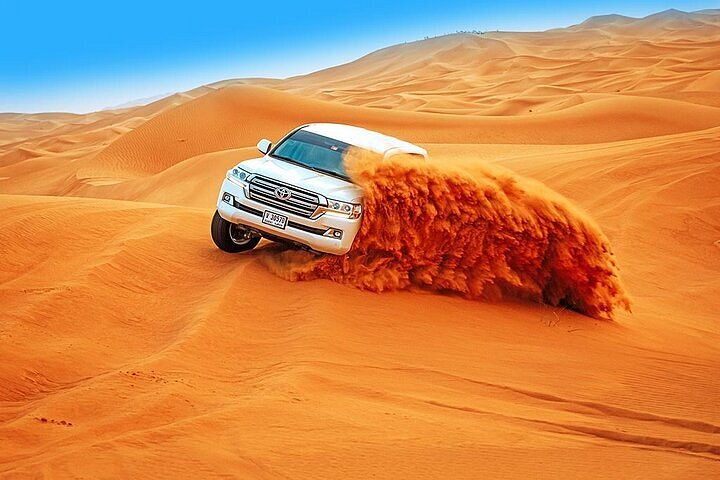
- Dune bashing with trained drivers across the desert
- Sunrise or sunset photo stops, depending on your chosen timing
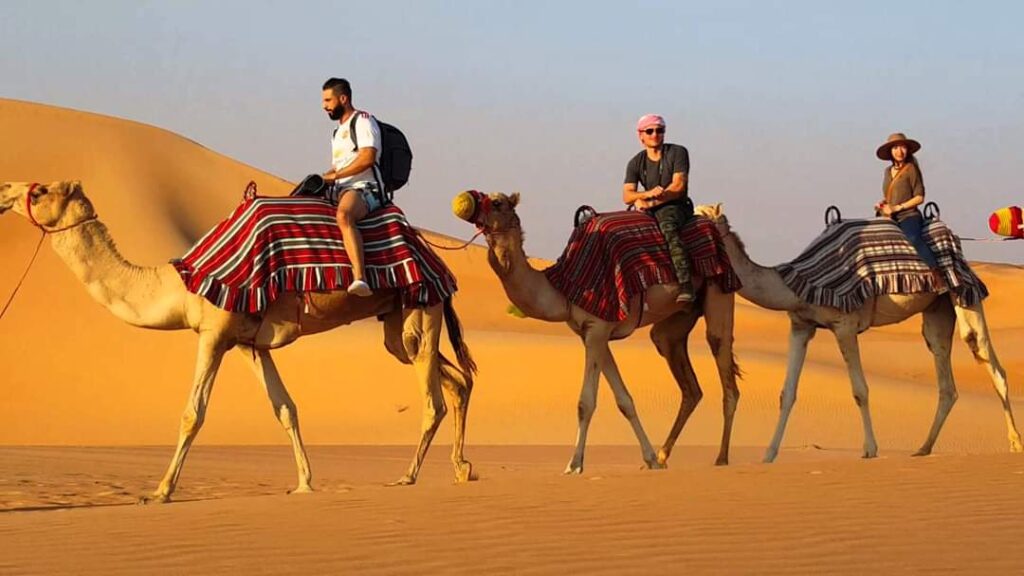
- Camel ride and sandboarding on the dunes
- Desert camp experience (included in evening and overnight safaris)
Choosing the best time for a desert safari ensures you enjoy each of these activities in the most comfortable conditions, whether that is cooler morning air or a scenic sunset atmosphere.
Inclusions You Can Expect

When planning around the best time for a desert safari, it is equally important to understand what a standard package includes.
Most reputable desert safari operators in Dubai follow a similar structure aligned with guidelines from the Dubai Department of Economy and Tourism, ensuring safety, comfort, and a consistent experience.
Most packages typically include:
- Transportation in air-conditioned 4×4 vehicles with hotel pickup and drop-off
- Licensed and trained desert drivers are required for regulated dune driving activities
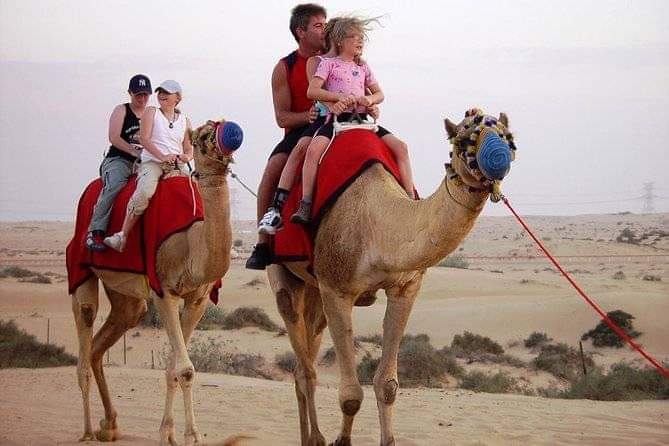
- Core desert activities such as dune bashing, sandboarding, and camel rides
- Desert camp access (included in evening and overnight safaris)
Depending on the tour type, many packages also include a BBQ dinner, live entertainment, and cultural experiences, particularly in evening and overnight safaris. However, inclusions can vary by operator, so it is always recommended to verify details before booking.
Duration Comparison
The best time for a desert safari is also influenced by how long you want to spend in the desert, as each safari type follows a standard duration range commonly offered by licensed tour operators.
- Morning safari: Around 3 to 5 hours (short, activity-focused experience)
- Evening safari: Around 6 to 8 hours (most popular, includes camp and entertainment)
- Overnight safari: 12 to 24 hours (extended experience with camping and sunrise activities)
These durations are consistent across most Dubai tour providers, although exact timings may vary slightly depending on season, group size, and itinerary design.
Choosing the right option depends on your schedule, comfort level, and how immersive you want your desert experience to be.
Best Time of Day for Desert Safari

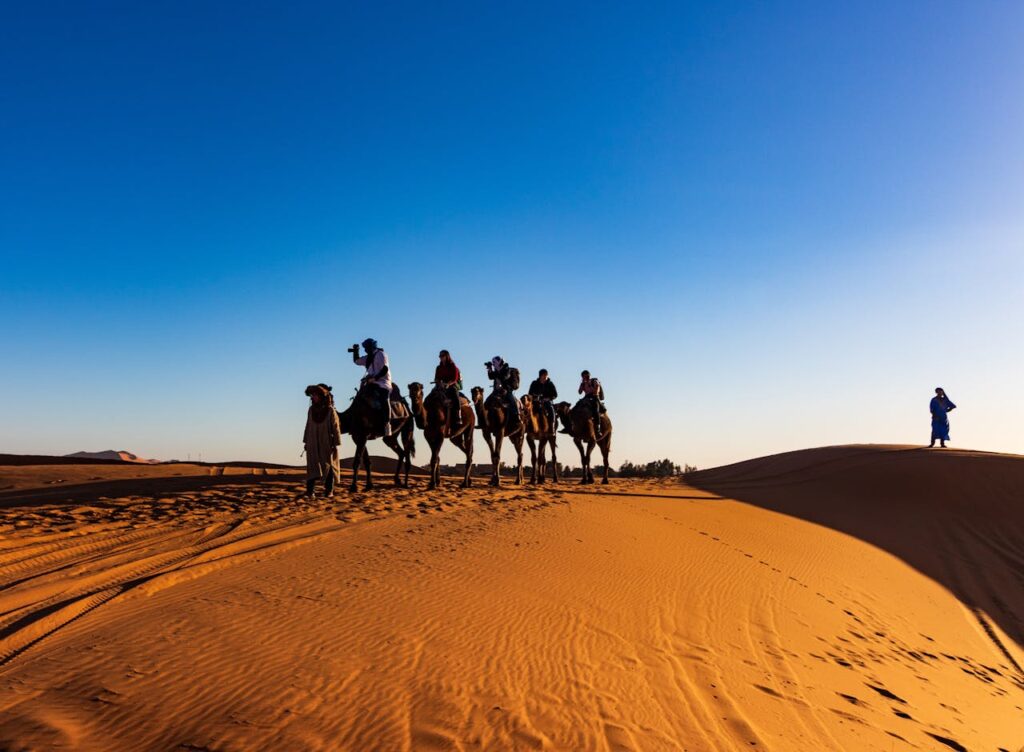
Morning Safari – Best for Adventure
Morning safaris are ideal if your main goal is adventure and light activity rather than a full evening of entertainment.
These sessions typically focus on dune bashing, sandboarding, camel rides, and short desert walks. Most morning desert safaris run for around 3 to 5 hours, with pickup windows between 6:00 AM and 8:00 AM in winter and as early as 5:00 AM to 7:00 AM in summer, when getting out before peak heat matters most.
The main advantages are practical ones. Temperatures are cooler, the desert light is softer and cleaner for photography, and there are noticeably fewer vehicles on the dunes compared to the busy evening rush. The experience feels less crowded and more open.
This option suits early risers, travelers with afternoon flights or plans, and small groups who want focused activity without a long camp program. It is also a reasonable choice during summer months when evening heat lingers well into the night.
Evening Safari – Best Overall Experience
Evening desert safaris are the most popular choice in Dubai, and the reason is straightforward: they pack the most variety into a single outing.
A standard evening safari combines dune bashing, sunset viewing, camel rides, sandboarding, and a full desert camp experience that includes a BBQ dinner, live Tanoura dance, fire shows, and belly dancing.
The typical duration runs from 5 to 8 hours, with most pickups starting between 3:00 PM and 4:00 PM and drop-offs back at your hotel around 9:00 PM to 10:00 PM.
What makes this time slot so dominant in bookings is the combination of the desert sunset, the cultural atmosphere of the camp, and the social energy that comes with a shared group dinner under open skies. It works well for families, first-time visitors, and groups of all sizes.
That said, it is worth knowing that crowd levels and prices rise on weekends and peak sharply from December to February.
Weekday evenings during shoulder months like October, November, and March tend to be quieter and are often priced slightly lower. For current schedules and pricing, see the packages that provide up-to-date availability across the season.
Overnight Safari – Full Desert Experience
Overnight desert safaris offer the deepest immersion into the desert environment available through a standard safari package.
These trips typically include dune bashing, a full camp stay, dinner and live entertainment, stargazing, and often a sunrise camel trek or early morning walk before the return journey. Duration runs from 12 to 18 hours, with most pickups in the late afternoon and drop-offs the following morning.
Group sizes at some operators tend to be smaller for overnight options, which adds to the quieter pace.
This experience suits couples, small groups, and travelers who prefer a slower, more extended desert stay over a packed evening program. It is a practical choice for anyone who wants to genuinely experience the desert rather than pass through it.
Sunrise vs Sunset Safari – Which One Is Better?
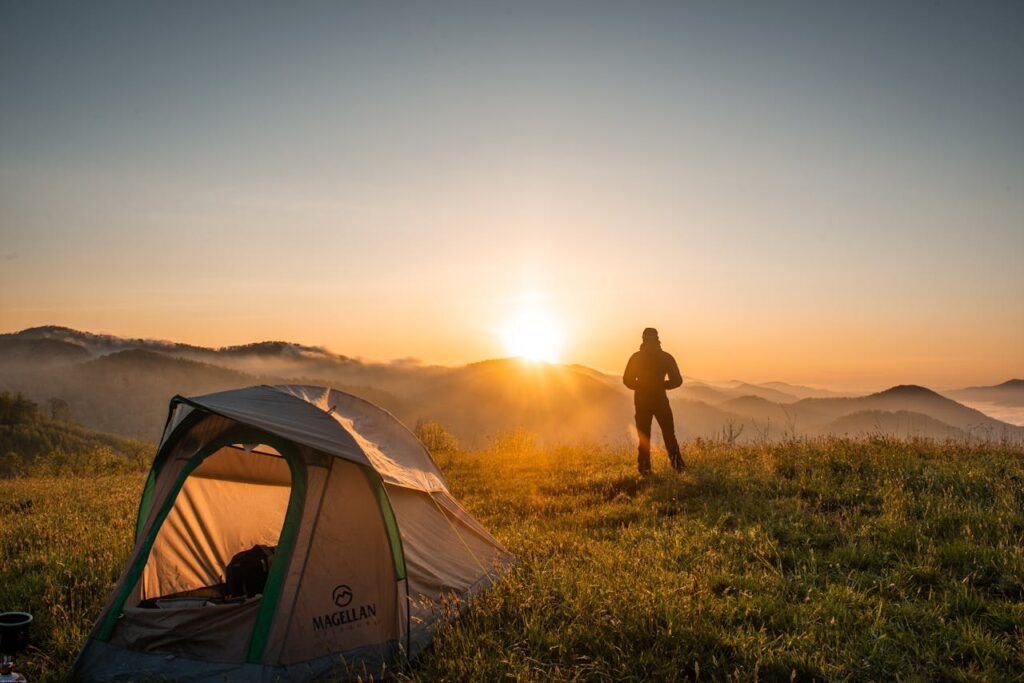
Key Differences That Matter
Sunrise and sunset safaris offer two distinct desert experiences, and the differences go beyond just the time of day.
Atmosphere: Sunrise safaris are calm and quiet. The desert is largely empty, the pace is unhurried, and the overall feel is more personal.
Sunset safaris are livelier, camps fill up, music plays, and the energy is social and festive.
Temperature and light: Early mornings are cooler, which makes physical activity more comfortable. The light is soft and even, which works well for wide landscape shots.
Sunset brings warmer golden tones that photograph dramatically but also means residual heat from the day is still present.
Crowd levels: Sunrise slots attract far fewer vehicles on the dunes. Sunset is peak time, meaning more tour groups, more activity around the camp, and less quiet space on the sand.
These differences directly affect comfort, noise levels, photo opportunities, and how relaxed or social the overall experience feels.
Best Choice Based on Your Travel Style
The right choice depends on what kind of traveler you are.
Photographers who want clean, uncluttered dune shots and soft natural light will generally prefer sunrise safaris. Those who prefer dramatic golden-hour colors and a more dynamic scene may prefer the sunset window, accepting that more vehicles will be in the frame.
Families with children often do better with earlier pickup times that allow for a full activity session and a comfortable return before late evening. Long overnight safaris can work for older children but may be tiring for younger ones.
Couples and honeymooners tend to find the evening safari the most fitting; the sunset over the dunes, the open-air camp dinner, and the live entertainment create a natural setting for a memorable shared experience without requiring an early start.
How to Choose the Right Time for Your Travel Goal
Adventure Activities (Dune Bashing, Quad, Buggy)
For dune bashing, quad biking, and dune buggy rides, cooler temperatures make a direct difference to both comfort and safety.
These are physically active, high-energy activities, and doing them in intense midday heat, particularly between May and September, adds unnecessary strain on the body.
In cooler months, the ideal windows are roughly 6:00 AM to 10:00 AM or 3:00 PM to 6:00 PM in the early evening, before the sunset rush peaks. During summer, stick to early morning slots only.
According to heat safety guidance from global health authorities, limiting intense physical activity during peak heat hours helps reduce the risk of dehydration and heat-related illness.
Staying within these windows means better grip on the sand, more energy throughout the session, and a safer overall experience for everyone in the group.
Scenic Views & Photography
The two best shooting windows in the desert are sunrise and sunset, and each produces a different kind of image.
Sunrise offers soft, low-contrast light with long, clean shadows across the dunes. Colors are cool and subtle. Fewer vehicles are on the sand at this hour, which means unobstructed compositions are far easier to achieve.
A practical tip: position yourself at the crest of a dune before the sun clears the horizon to get the cleanest foreground detail.
Sunset brings warm golden tones, deeper shadows, and more dramatic contrast. It also brings more people, which works in your favor if you want cultural shots of Tanoura dancers, fire shows, or candid camp scenes.
A useful tip: Use the low sun angle behind your subject for strong silhouette shots against the orange sky.
Families, Couples & First-Time Visitors
Families traveling with children generally do better with morning safaris or early-evening departures that wrap up before 9:00 PM. Late returns and overnight stays can be tiring for younger children, and the pace of a long evening program is not always suitable for small kids.
Couples and first-time visitors tend to find the evening desert safari the most complete introduction to the desert.
The sunset, the camp atmosphere, the food, and the live entertainment all come together in one session, which makes it the most well-rounded option for someone experiencing Dubai’s desert for the first time.
Before booking, it is worth checking age limits and activity intensity levels directly on operator pages. Here are lists of family-specific packages with clear details on what is included and what age restrictions apply.
Desert Safari Timings in Dubai

Morning Safari Timings
Morning desert safaris typically begin with pickup between 6:00 AM and 8:00 AM in winter and between 5:00 AM and 7:00 AM in summer. Drop-off is usually around 10:00 AM to 11:30 AM, depending on the operator and route.
Exact times shift with the season and group size, so always confirm your specific schedule directly on your booking page before travel day.
Evening Safari Timings
A standard evening desert safari follows a broadly consistent pattern across most Dubai operators:
- Pickup: 2:30 PM – 4:00 PM
- Dune bashing: 4:30 PM – 5:30 PM
- Sunset viewing: 5:30 PM – 6:30 PM
- Camp, BBQ dinner, and entertainment: 6:30 PM – 9:00 PM
- Return drop-off: 9:00 PM – 10:30 PM
Actual times shift with daylight hours and individual operator schedules, particularly between summer and winter. Private and VIP safari packages often offer more flexible start times and can be adjusted to suit your group’s itinerary.
Overnight Safari Schedule
A typical overnight desert safari follows this general pattern:
- Late afternoon pickup
- Dune bashing around sunset
- Camp dinner and live entertainment through the evening
- Stargazing late at night
- Optional sunrise activity or camel trek the following morning before return
Inclusions and exact timings vary between operators. Check your chosen provider’s page, which lists full overnight package details, including what is and is not included.
Crowd Levels, Pricing & When to Book

Desert safari prices in Dubai follow a clear seasonal pattern that is worth understanding before you commit to dates.
Peak season (December to February) brings the highest demand. Prices are at their highest during this window, and popular evening safari slots, particularly on weekends, fill up days in advance.
If you are traveling during this period, booking 10 to 14 days ahead is a reasonable buffer, especially for private groups or special dates like New Year’s Eve.
Shoulder months (October to November and March) offer a practical middle ground. Weather conditions are still comfortable, crowd levels are noticeably lower than peak, and prices tend to be slightly more affordable without much compromise on experience quality.
Summer months (June to August) carry the lowest prices across most operators. The trade-off is heat, which limits activity options and comfort. Budget-conscious travelers who can manage early morning schedules will find the best value here.
On a week-to-week basis, weekdays are consistently less crowded than Fridays and Saturdays, and some operators price them lower as a result.
For peak season bookings, aim to reserve at least 3 to 7 days in advance for standard group safaris. Some operators offer early-bird discounts and mid-week deals.
Pro Tips for Choosing the Best Time
Check the forecast before you book. Dubai’s weather is reliable by season, but checking a 10-day forecast closer to your travel date helps you confirm conditions. If you are sensitive to heat, stick firmly to October through March and avoid booking midday activities in any month.
Dress for the desert, not the city. Light, breathable layers work best; temperatures can shift between afternoon heat and cool evening air, particularly in winter months.
Bring a hat, sunglasses, and a light scarf for sun and wind protection on the dunes. Avoid flip-flops during dune bashing or sandboarding, as sand gets into open footwear quickly and affects grip.
Book early in peak season, but stay flexible in shoulder months. October, November, and March offer good weather with fewer crowds, and weekday slots during these months often carry better pricing than weekend bookings.
Always verify what is included in your package; dinner, entertainment, transport, and add-ons vary between operators.
Conclusion
For most travelers, the best time for a desert safari in Dubai is clear: visit between October and April and choose an evening safari. This combination offers the most balanced experience, comfortable weather, stunning sunset views, and the full range of desert activities in one trip.
If your priority is adventure and fewer crowds, a morning or sunrise safari is the better fit. For those who want a slower, more immersive escape, an overnight safari adds a unique layer with stargazing and a peaceful desert morning.
In the end, there is no single perfect option for everyone, only the right choice for your travel style. Plan around the season, pick the time that matches your goals, and your desert safari will feel effortless, comfortable, and truly worth it.
FAQs
Is a desert safari in Dubai safe for tourists?
Yes, desert safaris in Dubai are generally very safe when booked with licensed operators. Vehicles are maintained, and drivers are trained for dune driving. Avoid cheap, unverified tours and always check reviews and safety standards before booking.
How long does a desert safari in Dubai last?
A standard desert safari usually lasts 6 to 7 hours, including pickup, activities, dinner, and return. Morning safaris are shorter (3–5 hours), while overnight safaris can extend to 12–18 hours.
What should I wear for a desert safari in Dubai?
Wear light, breathable clothing during the day and carry a light jacket for cooler evenings. Closed shoes are better than sandals for dune activities, and sunglasses and a hat are essential for sun protection.
Can pregnant women or people with back problems go on a desert safari?
High-impact activities like dune bashing are not recommended for pregnant women or people with back issues. You can still join a safari by choosing a non-dune-bashing or relaxed camp experience.
What is included in a typical desert safari package?
Most packages include pickup/drop-off, dune bashing, a camel ride, sandboarding, and a desert camp experience. Evening safaris often add a BBQ dinner and live entertainment, while extras like quad biking may cost more.
Do desert safaris operate during Ramadan?
Yes, desert safaris still run during Ramadan, but entertainment and dining schedules may change. Expect a quieter experience with limited music or cultural shows, depending on regulations.
How far in advance should I book a desert safari?
It is best to book 3–7 days in advance, especially during peak months (November to March). Last-minute bookings may lead to higher prices or limited availability.